


Water Tanker Fire Truck vs. Traditional Fire Engine
By hqt
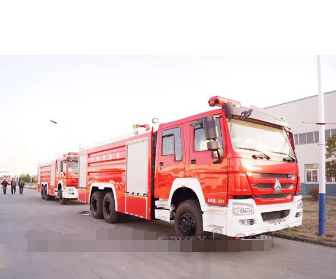
A Water Tanker Fire Truck changes what happens when hydrants are far away. It brings the water. It keeps lines charged. It buys time when seconds matter. A traditional fire engine brings tools, speed, and crew. It thrives in cities with dense hydrants. But what if the grid ends? What if the fire grows faster than the mains can deliver? What if your first-due runs dry? Today we compare these two frontline choices. We look at real scenes and hard limits. One decision can protect assets – and people. Which unit wins when the map turns gray? Below, we compare a Water Tanker Fire Truck with a traditional fire engine in real-world terms, explain where each excels, and share how YOULIN helps agencies specify with confidence.
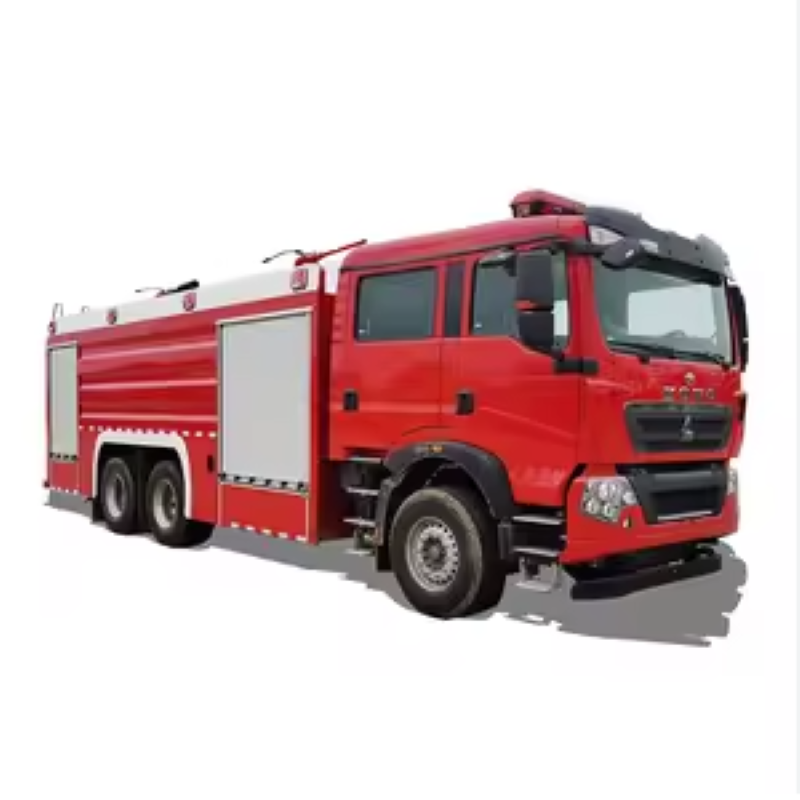
Why A Water Tanker Fire Truck Changes The Strategy
In remote towns, farm belts, deserts, and spread-out industrial parks, hydrants are limited or nonexistent. A Water Tanker Fire Truck solves the first problem on any fire scene – reliable water supply. The 16,000-liter tank sustains long hose lines and large-scale attacks without waiting for a mains connection. That single fact alters tactics: crews arrive, charge lines, and buy time for the larger operation to form. Time protects people and structures.
Traditional fire engines shine as first-due units in dense urban grids. They carry a smaller onboard tank, more generalized tools, and often rescue gear. Once that smaller tank runs dry, they rely on hydrants. In cities, that model is perfect. In rural or wildland zones, it becomes a limitation. The missions diverge: an engine is a multitool; the tanker is the water lifeline that keeps every tool working.
1) Built Around Continuous Flow
A Water Tanker Fire Truck is engineered to keep water moving under control and with precision:
• Large Water Capacity: 16,000-liter tank supports extended firefighting and multi-room incidents.
• Flow-Through Pump: Delivers over 3 gpm (≈12 L/min) for steady suppression and line stability.
• Multi-Outlet Discharge: Multiple outlets and hoses feed parallel attack points and connect cleanly with other apparatus.
• Rapid Refilling: Multiple inlets enable quick fills from hydrants, natural sources, or other tankers.
These elements support portable tank operations, long lays, and uninterrupted engine supply. When an engine arrives first, the tanker that follows becomes its lifeline – preventing line interruptions and maintaining pressure on exposures.
2) Rugged Where It Counts
Rural tracks, heat, vibration, and shuttle cycles punish equipment. YOULIN’s perspective emphasizes ruggedness and operator safety on a Water Tanker Fire Truck:
• Robust Design: Reinforced structures endure rough approaches and repetitive water shuttles.
• Safety Features: Anti-skid walking surfaces, organized storage, and stability systems help reduce slips and tip risk – whether moving or staged.
• Advanced Control Interface: User-friendly panels allow precise water management and clear monitoring, even with gloves on.
A traditional engine optimizes for versatility – tools, ladders, medical support – while the tanker optimizes for supply. On complex scenes, the best outcomes come from the right mix of both.
When A Tanker Outperforms A Traditional Engine
Specifying your fleet is a strategic choice. Use incident history, water infrastructure, and travel distances as anchors. A Water Tanker Fire Truck stands out when water access is the primary constraint and sustained flows are non-negotiable.
1) High-Impact Use Cases
• Rural Firefighting: Where infrastructure is thin, the tanker stabilizes operations and buys precious minutes for reinforcement.
• Wildland Response: On remote firelines with limited access, the tanker supports progressive hose lays and protects critical assets at the wildland-urban interface.
• Industrial Sites: For plants, warehouses, and high-risk facilities, constant volume is essential. The tanker delivers the water needed to manage big fires and shield structures.
• Mutual Aid & Long Duration: As a mobile reservoir, it keeps other units supplied over extended periods and integrates seamlessly with portable tanks.
A traditional engine remains indispensable in urban response and tool-heavy operations. Yet if your map shows hydrant gaps or high-challenge hazards, at least one Water Tanker Fire Truck turns your fleet into a system – resilient, flexible, and ready for long fights.
2) Performance Snapshot (At A Glance)
• 16,000-liter tank supports extended attack and exposure protection.
• Flow-through pump delivering over 3 gpm (≈12 L/min) for steady lines.
• Multiple outlets/inlets for flexible supply, rapid refills, and clean interop with other units.
• Stability, anti-skid surfaces, organized storage, and an operator-friendly control interface.
Partnering With YOULIN
YOULIN is a professional construction machinery export enterprise. We match engineering to field reality and stand behind each delivery with quality assurance and responsive service. Our role goes beyond shipment; we help configure, validate, and support.
✅ What Working With YOULIN Looks Like
• 18 Years Of Experience: We understand export logistics, commissioning, and cross-border service.
• Total Quality Control & 100% Full Inspection: Every unit is checked end-to-end to reduce downtime and warranty friction.
• ISO13849 Compliance: Processes that reflect rigorous safety and reliability standards.
• Professional R&D Support: Practical advice on outlets, hose interfaces, and storage layouts that fit your playbook.
• Customer-First Tenet: Create value with best-fit solutions and efficient service that consistently exceeds expectations.
We also help agencies evaluate fleet balance. If your first-due is a traditional engine, a dedicated Water Tanker Fire Truck ensures that the engine’s attack lines never go dry. If your area is mostly rural, a tanker-led response supported by engines may shorten knockdown time. Our export team can map these options to your geography and risk profile without over-specifying or overspending.
✅ How To Move From Interest To Implementation
• Define Scenarios: Rural structures, industrial hazards, or wildland edges – list the top three incidents you prepare for.
• Assess Water Access: Note hydrant coverage, refill points, and typical shuttle distances.
• Set Priorities: Endurance, interoperability, or rapid refill capability – rank what matters most.
• Engage YOULIN: Share your findings. We’ll align features – capacity, outlets, inlets, safety systems, and control interfaces – to your mission.
Call To Action – Keep Your Lines Charged
If your coverage includes rural districts, wildland edges, or high-hazard industrial facilities, a Water Tanker Fire Truck is the upgrade that keeps every attack line alive. Contact YOULIN today to discuss incident profiles, water shuttle needs, and fleet mix. We’ll help you specify a tanker that integrates with your engines, protects your crews, and keeps water flowing when it matters most.


